© luana gugliotta 2026
luana gugliotta
FITOGNOMICA
(2025-ongoing)
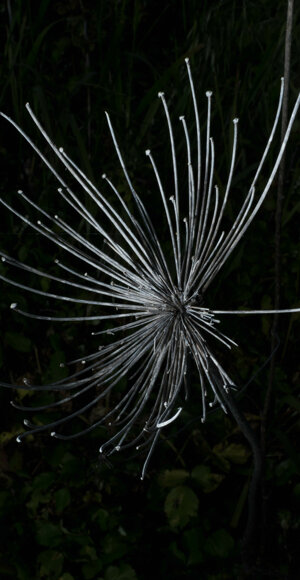
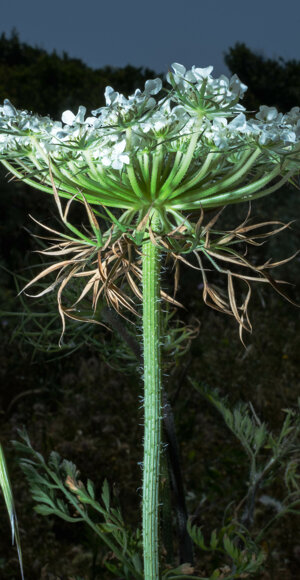
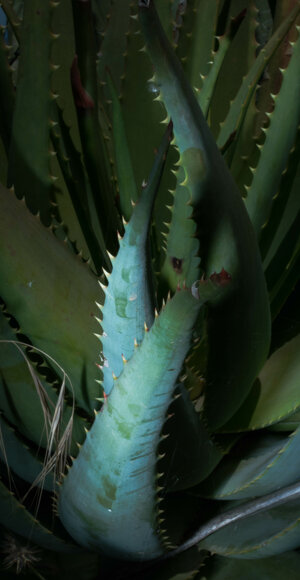
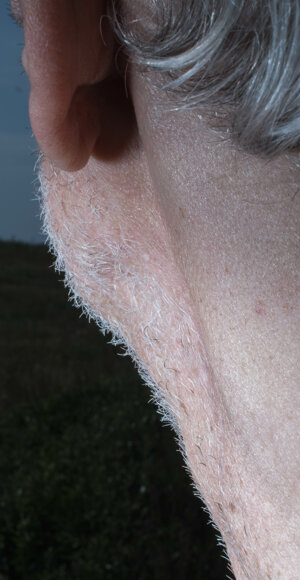
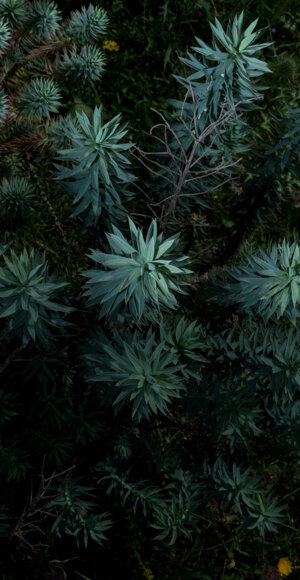
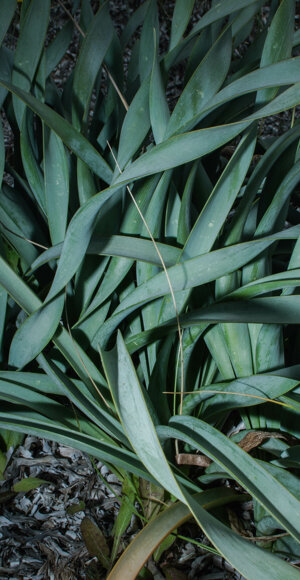
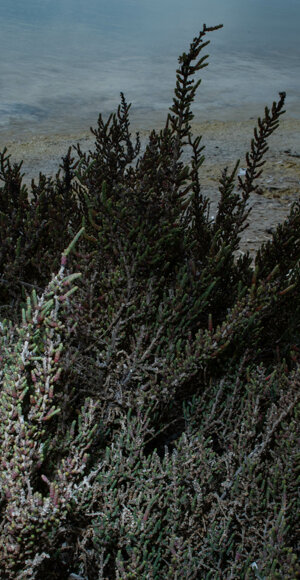
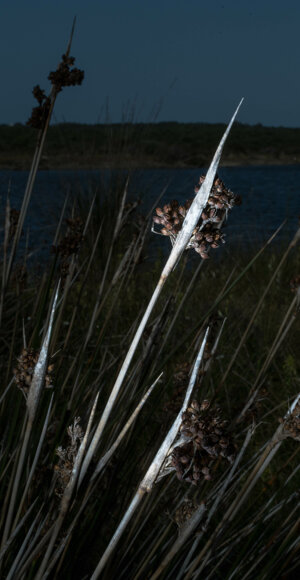
Tra Medioevo e Rinascimento la dottrina delle segnature (dal latino signatura cioè firma) era una antica pratica di conoscenza che studiava il segno ovvero l'aspetto degli elementi naturali e la loro analogia con le parti del corpo umano a fini terapeutici.
Nel Cinquecento, il filosofo, alchimista e scienziato italiano Giambattista della Porta raccoglie i suoi studi sul rapporto tra piante e corpo umano in un'opera chiamata Phytognomonica: un legame occulto tra piante, uomini, animali, minerali, luoghi, stagioni.
Il territorio diventa anche'esso luogo di studio.
Il sistema dei segni visivi delle piante consente di individuare i rimedi più adatti a seconda della loro localizzazione geografica: nel territorio in cui si sviluppa una malattia, crescerà anche la pianta adatta per curarla.
Sarà questo l'inconsapevole rapporto che lega un essere umano al luogo?
Between the Middle Ages and the Renaissance, the doctrine of signatures (from the Latin signatura) was an ancient practice of knowledge that studied the sign, the physical appearance of natural elements and their analogy to parts of the human body for therapeutic purposes.
In the sixteenth century, the Italian philosopher, alchemist, and scientist Giambattista della Porta compiled his studies on the relationship between plants and the human body in a work titled Phytognomonica, describing an occult link connecting plants, humans, animals, minerals, places, and seasons.
The landscape itself became a subject of study.
The system of visual signs found in plants made it possible to identify the most suitable remedies based on geographical location: the plant capable of curing a specific disease would grow in the territory where that disease emerged.
Could this be the unconscious link between a human being and a territory?